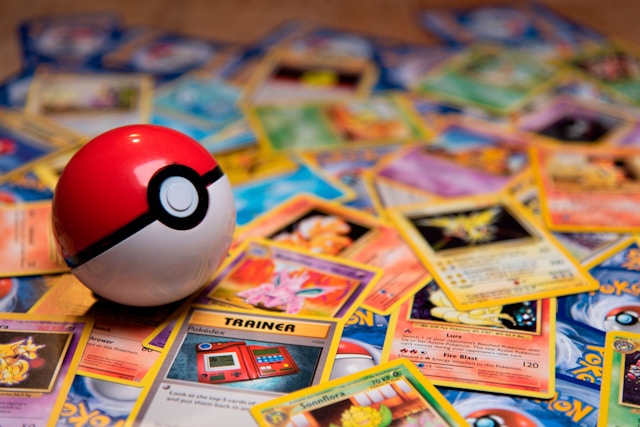

The Pokémon Trading Card Game has become one of the most dynamic and collectible hobbies in the world, blending nostalgia, beauty, and investment potential. While not all cards grow significantly in value, certain cards—due to rarity, popularity, competitive relevance, or historical importance—have a much higher chance of appreciating over time. In 2026, with milestones like the franchise’s 30th anniversary and expansions such as Mega Evolution—Perfect Order, collectors and investors are watching certain cards more closely than ever.
Below are some categories and specific cards that could skyrocket in value based on current trends, scarcity, demand, and long‑term appeal.
1. Vintage First Edition Cards
Vintage Pokémon cards from the original Base Set remain the cornerstone of high‑value collectibles. The cards in this category were printed in limited numbers and carry immense historical significance.
- Charizard (1st Edition, Shadowless) – Widely considered the king of Pokémon card collecting. High‑grade copies have sold for tens of thousands to hundreds of thousands of dollars.
- Blastoise (1st Edition, Shadowless) – A popular starter evolution whose scarcity and heritage make it highly collectible.
- Venusaur (1st Edition, Shadowless) – Another original starter evolution with strong nostalgic demand.
- Pikachu (1st Edition, Base Set) – The mascot’s early cards are always in demand, especially in top grades.
These cards are extremely rare in high condition, and demand consistently outstrips supply.
2. Japan‑Exclusive Vintage Cards
Certain vintage cards were only released in Japan or had limited runs worldwide, making them rarer than standard U.S. releases.
- Japanese Promo Pikachu Illustrator – One of the rarest Pokémon cards ever produced, this card is not commercially available and is awarded through special contests.
- Japanese Promo Kangaskhan Parent/Child Tournament Cards – Distributed at a limited tournament, these cards have legendary status among collectors.
Cards with tiny print runs or special contexts often appreciate dramatically because supply cannot be increased.
3. Neo Series Shining Pokémon
The Neo Destiny set introduced Shining Pokémon—unique holo variations that quickly became collector favorites. Because they were not widely opened and are visually striking, Shining Pokémon cards are highly sought.
- Shining Charizard (Neo Destiny) – Rare in circulation and popular among both vintage and modern collectors.
- Shining Tyranitar – A fan favorite with high demand.
- Other Shining Pokémon – Shining Gyarados, Shining Raichu, and similar cards maintain strong value trajectories.
Shining cards often bridge nostalgia with rarity, making them strong candidates for future value growth.
4. Early EX Series and Gold Cards
Cards from the early EX era (late 1990s–2000s) and gold‑featured cards are gaining traction because they represent transitional moments in the TCG’s history.
- EX Deoxys and EX Dragon Ultra Rares – These cards are rare pulls from older tins and expansion releases.
- Gold Star Pokémon – Exceptionally rare cards featuring unique gold‑foil Pokémon.
- Full‑Art EX Cards – Early full‑art designs often command higher interest from collectors.
Older EX cards face decreasing availability as more cards are lost or damaged, which increases the value of remaining high‑grade copies.
5. Top Graded Cards from Modern Sets
While vintage cards dominate headlines, certain modern cards could become investment standouts — if they meet criteria like scarcity, popularity, or competitive demand. Cards from recent expansions that are tough to pull or highly collectible have upside potential.
- Mega Zygarde ex (Mega Evolution—Perfect Order, MHR) – A top chase card from a major 2026 expansion.
- Special Illustration Rare Trainer Cards – Cards like Rosa’s Encouragement and similar promos attract strong collector demand.
- Secret Rare Variants – High‑rarity secret cards that are hard to obtain.
- Gold Rare Energy and Alternate Art Pokémon – Limited print foils that appeal to both players and collectors.
Modern cards with low pull rates and stunning artwork often become sought‑after items in the collector market.
6. Promotional and Event‑Exclusive Cards
Cards that were never part of regular booster sets and were distributed only at events, tournaments, or special promotions often have extremely limited supply — a key driver of future value.
- No. 1 Trainer Cards – Extremely limited prints awarded at early competitive events.
- World Championship Promo Cards – Distributed to top competitors only.
- Store Championship or Local Event Promos – Often produced in tiny quantities compared with retail sets.
Because these cards were not widely released, they often become “holy grails” for serious collectors.
7. Cards with Strong Competitive Impact
Cards that change the meta or become essential in winning decks often see sudden spikes in demand, especially during active competitive seasons. While competitive value can be volatile, it can also drive significant short‑term price increases.
- Staple Trainer Cards – Supporters and Items that are widely used in tournament decks.
- Playable Pokémon ex Cards – Cards that consistently appear in winning strategies tend to maintain higher prices.
Workshop competitive players and collectors often track these trends closely during major events.
8. Cards with Unique Visual Appeal
Artwork and aesthetics are huge factors in collector interest. Even if a card is not vintage or competitively powerful, unique art styles — like alternate art, full‑art, illustration rare, or special textures — can drive long‑term demand.
- Alternate Art Pokémon ex and Trainer Cards – Especially from sets with strong artistic themes.
- Full‑Art Illustrations with Rare Prints – Cards featuring beloved Pokémon in dynamic scenes or rare artistic styles.
Collectors often seek out the cards they personally love, and demand for beautiful cards can influence long‑term value.
Factors That Can Help a Card Appreciate
Several broader patterns influence whether a Pokémon card might skyrocket in value:
- Scarcity – Lower numbers of cards in circulation usually means higher price potential.
- Condition – Cards graded in top condition (PSA 9–10 or BGS 9.5–10) hold much more value than lower‑grade counterparts.
- Popularity – Cards featuring beloved Pokémon or iconic characters tend to attract more collectors.
- Historical Significance – Cards tied to milestones in Pokémon history often outperform expectations.
- Market Trends – Prices can fluctuate based on collector interest, new releases, and broader trading card market trends.
Risks to Consider
While certain cards have the potential to increase in value significantly, Pokémon cards are not guaranteed investments. Market prices can fluctuate, and collector interest changes over time. Condition, grading, and authenticity are critical — cards with damage or questionable provenance can lose value quickly.
Conclusion
In 2026, Pokémon cards continue to offer investment opportunities, but success depends on careful selection, knowledge, and patience. Vintage rares, low‑print promotional cards, top‑graded modern chase cards, and visually desirable pieces are among the strongest candidates to appreciate in value over time. Collectors who understand market trends, protect their cards, and focus on cards with genuine scarcity and demand are most likely to benefit from long‑term value growth.
Whether you’re a long‑time collector or just starting, watching these categories of Pokémon cards could help you build both a meaningful and potentially valuable collection.