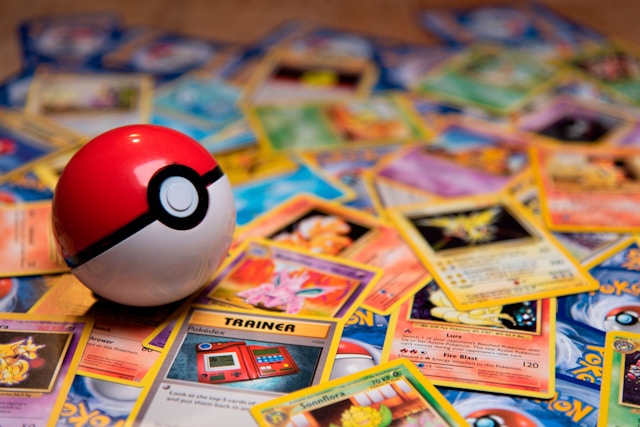
In 2026, Pokémon cards remain one of the most talked‑about collectible investments, attracting hobbyists, competitive players, and investors alike. With decades of history, fluctuating markets, and a growing global audience, Pokémon TCG collectibles have proven to hold value — but whether they are a good investment depends on several key factors.
This guide explores the current investment landscape for Pokémon cards in 2026, including market trends, risks, and what kinds of cards are most likely to appreciate in value over time.
Why Pokémon Cards Became Popular Investments
Pokémon cards didn’t start as an investment vehicle, but their collectible nature naturally led to a secondary market. Several reasons explain why they became high‑value assets:
Historical Demand and Nostalgia
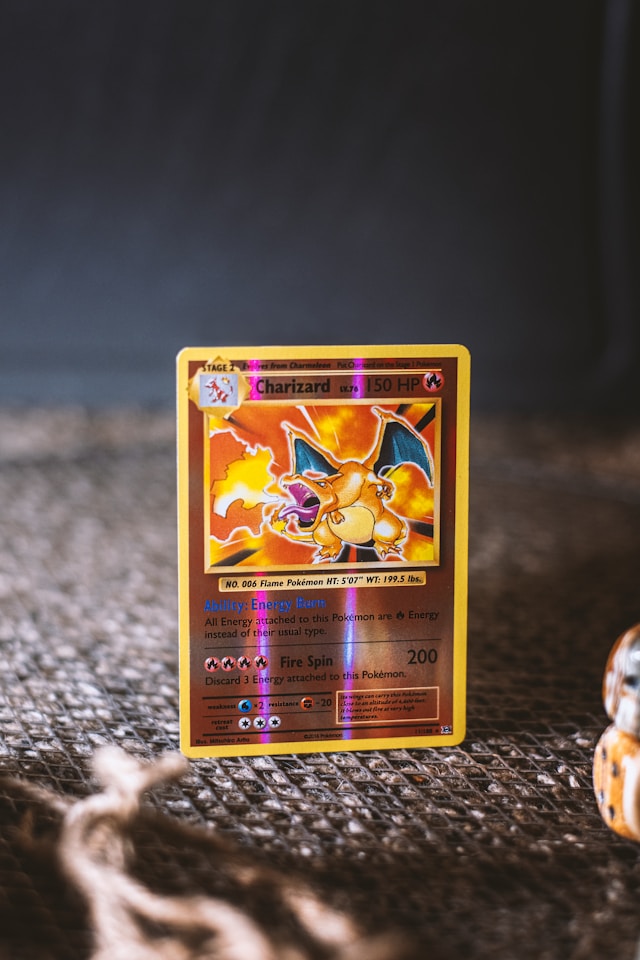
The Pokémon franchise celebrated its 30th anniversary in 2026, and nostalgia for classic cards continues to drive demand. Collectors who grew up with the original Base Set now seek vintage cards like First‑Edition Charizard, Shadowless cards, and rare promotional releases.
Limited Print Runs
Certain products — especially early printings, first editions, and special collections — were produced in limited quantities. This scarcity can drive long‑term value as supply dwindles over time.
Collector Culture and Community Growth
Active online communities and social media have strengthened the Pokémon card market. Collectors share trends, make trades, and highlight rare finds, contributing to ongoing interest in valuable cards.
Professional Grading and Authentication
The rise of third‑party grading services like PSA, Beckett, and CGC has made it easier to verify card condition and authenticity. High‑grade cards tend to fetch significantly higher prices than ungraded or low‑grade ones.
Competitive and Cultural Relevance
Even as cards become collectibles, the Pokémon TCG remains an active competitive game. New expansions — such as 2026’s Mega Evolution—Perfect Order — continue to influence demand for certain playable cards.
Current Market Conditions in 2026
In 2026, the Pokémon card market is more mature and nuanced than ever. While some segments continue to grow, not all cards carry the same investment potential.
Here’s what the landscape looks like now:
Vintage Cards Still Lead the Market
Cards from the earliest print runs — especially First‑Edition Base Set cards and rare promos — remain the most valuable. First‑Edition Shadowless Charizard, high‑grade Jungle and Fossil cards, and early Neo Series Shining Pokémon still command strong prices.
Modern Cards Can Be Valuable Too
While vintage cards dominate high‑value lists, modern cards have investment potential when they meet certain criteria:
- Low Pull Rates — Secret Rares, Special Illustration Rares, and Hyper Rares are harder to obtain.
- Strong Competitive Impact — Cards that perform well in tournaments can spike in value due to demand from players.
- Popular Characters and Artwork — Cards featuring beloved Pokémon or visually striking scenes tend to hold or increase in value.
For example, rare pulls from the Perfect Order expansion — such as Mega Zygarde ex MHR or Special Illustration Rare Trainer cards — saw heightened interest shortly after release.
Sets with Special Themes or Limited Availability
Products tied to events, anniversaries, or unique collaborations often appreciate well because they are produced in smaller quantities and attract higher collector interest.
Risks to Consider Before Investing
Despite the appeal, Pokémon cards are not guaranteed investments and carry several risks:
Market Volatility
Like other collectibles, card prices can fluctuate significantly. A card that is popular one year can see price declines due to oversupply, changing trends, or loss of player interest.
Condition Matters Greatly
Card condition can make or break its value. Even small surface scratches, edge whitening, or centering issues can significantly reduce resale prices. Professional grading helps, but grading costs cut into profit margins.
Supply Changes
Reprints, alternate art variations, or mass production can impact scarcity and value. For example, reprinting popular vintage cards or releasing new versions of beloved Pokémon can alter collector demand.
Speculation vs. Long‑Term Value
Many buyers purchase Pokémon cards hoping for quick resale profits, but speculative buying can lead to losses if the market cools. Cards with strong historical demand generally fare better as long‑term holds.
Which Cards Are Typically Best for Investment?
Certain types of cards tend to perform better as investments:
Vintage First Editions and Shadowless Cards
These cards are historically the most valuable and rarest in circulation.
Highly Graded Cards (PSA/BGS 9–10)
High grades preserve value because collectors and buyers pay premiums for cards in top condition.
Rare Modern Chase Cards
Secret Rares, Special Illustration Rares, Hyper Rares, and highly sought alternate art cards from recent sets can hold or grow in value.
Event‑Exclusive or Promo Cards
Cards given out at events, tournaments, or special promotions often have low print numbers, making them rare.
How to Invest Smartly in Pokémon Cards in 2026
If you’re considering Pokémon cards as investments, keep these best practices in mind:
Do Your Research
Understand rarity, print runs, and historical sales trends. Track marketplaces to see how cards perform over time.
Protect Your Cards
Use sleeves, toploaders, binders, and storage solutions to maintain condition. Keep cards away from sunlight, moisture, and extreme temperatures.
Consider Grading for Valuable Cards
Professional grading enhances credibility and resale value, especially for high‑worth cards.
Avoid Overpaying for Hype
Just because a card is popular doesn’t guarantee lasting value. Focus on cards with strong fundamentals: rarity, demand, and historical performance.
Diversify Your Collection
Rather than investing in a single card, build a variety of cards across vintage and modern sets. Diversification spreads risk and increases the likelihood of holding valuable pieces.
Join Communities and Stay Updated
Follow demand trends and market shifts through online forums, trading groups, and price tracking tools. Market sentiment often impacts prices before wide recognition.
Is Pokémon Still a Good Investment in 2026?
The answer is yes, but with conditions. Pokémon cards can be valuable investments, but they are not guaranteed profit makers. Cards with rarity, historical significance, strong demand, or competitive utility are most likely to hold or increase in value. Volatility, condition sensitivity, and changing collector trends mean careful research and thoughtful collecting are crucial.
For enthusiasts who enjoy the hobby as much as the potential investment value, Pokémon card collecting in 2026 offers both personal satisfaction and financial opportunity — especially when approached with a long‑term mindset and informed strategy.
Whether you’re just starting or adding to an existing collection, understanding the market can help you make smarter decisions and build a collection that is both meaningful and potentially valuable.