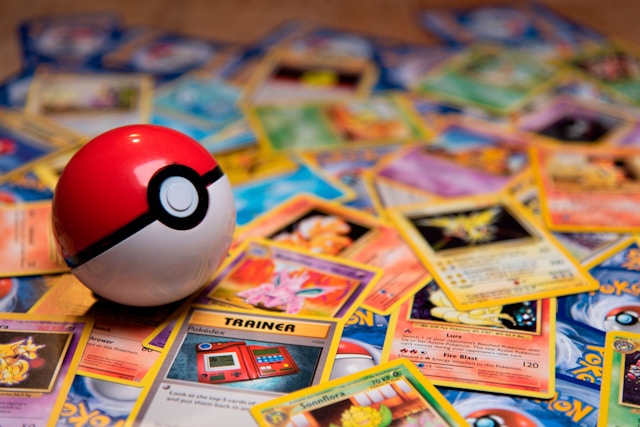

The Pokémon Trading Card Game has become a multi-billion-dollar market, attracting not only collectors and players but also counterfeiters looking to profit from fake cards. With high-value cards, rare pulls, and limited editions circulating worldwide, learning how to identify fake Pokémon cards is essential. Whether you’re a new collector or a seasoned player, knowing the key indicators of counterfeit cards can protect your investment and ensure you’re getting authentic cards.
Why Counterfeit Pokémon Cards Are a Concern
Fake Pokémon cards can range from low-quality bootlegs to high-quality reproductions that mimic original cards almost perfectly. Counterfeit cards:
- Reduce the value of your collection if unknowingly added.
- Can affect tournament play if used accidentally.
- May mislead new collectors who pay premium prices for worthless duplicates.
Understanding the signs of fake cards allows collectors to confidently buy, trade, and invest in Pokémon TCG products without risk.
1. Examine Card Quality and Texture
Authentic Pokémon cards have a specific feel and weight. Key indicators to check:
- Card Stock: Genuine cards have a sturdy, consistent thickness. Fake cards often feel flimsy or overly soft.
- Surface Texture: Original cards have a smooth, slightly glossy finish. Bootlegs may feel too shiny, matte, or rough.
- Flex Test: Gently bend the card. Authentic cards flex slightly and return to shape; fakes may crease or bend too easily.
Paying attention to how a card feels in your hand is often the first clue to spotting a counterfeit.
2. Inspect the Printing Quality
High-quality printing is a hallmark of authentic Pokémon cards. Common issues on fake cards include:
- Blurry Text or Images: Look for fuzzy edges, misaligned fonts, or pixelated artwork.
- Color Accuracy: Authentic cards have precise, consistent colors. Fakes may appear too dark, too light, or washed out.
- Holographic Pattern: Holo cards should have a smooth, uniform foil pattern. Fake holos often look patchy, grainy, or inconsistent.
Use a magnifying glass to check for printing flaws; real cards have crisp text and clean borders.
3. Check Card Borders and Alignment
Authentic Pokémon cards have uniform borders and proper alignment:
- Borders: Genuine cards have consistent border widths around the card. Uneven or thick/thin borders can indicate a fake.
- Centering: Artwork, text, and symbols are carefully centered. Off-center printing is common in counterfeit cards.
- Symbols and Logos: Official Pokémon logos, energy symbols, and set icons should match the original card exactly.
Even subtle misalignments can reveal a counterfeit card to a trained eye.
4. Examine the Back of the Card
The back of the card is often overlooked but can reveal fakes:
- Color Tone: Authentic cards have a specific color palette with a deep blue background and vibrant Poké Ball center.
- Print Sharpness: Look for blurry edges around the logo or uneven printing of the Poké Ball.
- Layering: Many fakes use different paper layers, making the card slightly thicker or thinner than original cards.
Comparing the card to a known authentic version side by side is one of the most reliable methods.
5. Weight and Dimensions
Official Pokémon cards have consistent size and weight:
- Standard Size: 63 x 88 mm (2.5 x 3.5 inches) for individual cards.
- Weight: Most Pokémon cards weigh about 1.7–1.8 grams.
- Variations in thickness, weight, or edge finishing are red flags for counterfeits.
6. Holographic Cards and Foil Features
Holo, Full Art, EX, V, and VMAX cards have specific foil patterns:
- Smooth and Even Foil: Authentic holo cards have consistent shine and color transitions.
- Special Patterns: Rainbow rares and Shiny Vault cards have distinctive foil textures and effects.
- Check for Dimples or Bubbles: Fake holo cards sometimes have irregular foil surfaces or small air bubbles.
Paying attention to the holographic design is critical for spotting high-end counterfeits.
7. Use a Light Test
Shining a bright light through a card can help detect counterfeit layering:
- Light Test: Hold the card up and see how light passes through. Original Pokémon cards allow some light but have a solid, layered feel.
- Fake Cards: Often allow too much light to pass or show uneven transparency.
This test can quickly separate genuine cards from poorly reproduced ones.
8. Compare Card Numbers and Set Symbols
Authentic Pokémon cards have set symbols and collector numbers that match official releases:
- Set Symbol: Indicates the set and rarity. Fakes may use outdated, incorrect, or slightly altered symbols.
- Card Number: Check against official databases; misnumbered cards are a clear sign of a counterfeit.
- Font and Spacing: Look for inconsistencies in spacing or unusual fonts that deviate from standard printing.
Official Pokémon TCG websites and collector databases are excellent references.
9. Grading and Authentication
For high-value cards, professional grading is a safe option:
- PSA / Beckett / CGC: These services verify authenticity and grade card condition.
- Protects Investment: High-value cards, such as 1st Edition Charizard or rare promos, should always be authenticated if purchased from secondary markets.
10. Purchase From Trusted Sources
Buying from reputable sellers significantly reduces the risk of counterfeits:
- Official Pokémon Center or Licensed Retailers guarantee authentic products.
- Well-known Secondary Market Sellers with positive reviews are safer for rare cards.
- Avoid “Too Good to Be True” Deals on marketplaces — suspiciously cheap rare cards are often fake.
Conclusion
Spotting fake Pokémon cards requires a combination of observation, experience, and attention to detail. By carefully examining card quality, printing, borders, backs, holo effects, and set symbols, collectors can protect themselves from counterfeit products. Professional grading, trusted sources, and side-by-side comparisons with known authentic cards are additional safeguards.
Whether you’re collecting for play, investment, or nostalgia, learning these techniques ensures your Pokémon card collection remains authentic, valuable, and enjoyable for years to come.