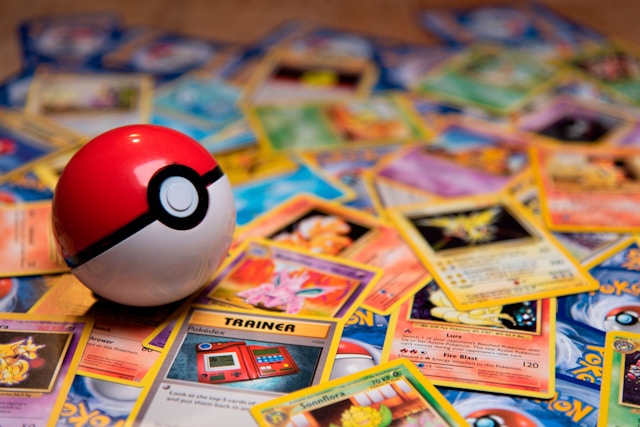

When it comes to collecting Pokémon cards, one of the first decisions a collector must make is whether to focus on English-language cards or Japanese-language cards. Both have unique advantages and considerations, from availability and artwork to rarity and investment potential. Understanding the differences can help you build a collection that aligns with your goals, whether it’s for nostalgia, gameplay, or long-term value.
Popularity and Market Demand
English Pokémon cards dominate the global market, particularly in North America and Europe. This widespread appeal means:
- Easier availability for singles, booster packs, and boxes.
- More resources for collectors, such as price guides, grading services, and trading communities.
- Higher demand for rare or first-edition cards in English.
Japanese Pokémon cards, on the other hand, are primarily produced for the domestic Japanese market but are gaining popularity worldwide. Collectors often seek Japanese cards for their early printings, unique promo cards, or artistic appeal. Certain sets, such as Japanese Shiny Star V or older Japanese-exclusive promos, are highly coveted internationally.
Artwork Differences
Japanese Pokémon cards often feature alternate artwork, stylistic differences, and promotional variants that are not released in English. Examples include:
- Special illustration promo cards with dynamic poses.
- Limited release cards tied to Japanese events, tournaments, or merchandise.
- Full-art versions with more intricate backgrounds or color schemes.
English cards tend to maintain a more standardized design across sets, which may appeal to collectors focused on set completion or nostalgia. Meanwhile, Japanese cards can be more artistic and rare, making them prized among international collectors who appreciate visual uniqueness.
Rarity and Collectibility
Japanese Pokémon cards sometimes have:
- Lower print runs for certain promo or special event cards.
- Exclusive variants that never get an English release.
- First prints of new Pokémon or mechanics, preceding English releases.
English cards are generally easier to grade and sell internationally due to standardized demand, but certain rare English cards, like 1st Edition Base Set Charizard, are iconic and retain high value. Japanese cards, especially limited promos and rare sets, can see rapid appreciation in niche collector markets.
Investment Potential
- English Cards: Easier to sell globally, particularly for well-known rare cards. High-demand English cards tend to have more predictable appreciation.
- Japanese Cards: Offer unique investment opportunities, especially for limited-run promos, special sets, or first-release variants. Their value can increase significantly among dedicated collectors, but the market is smaller and less liquid.
Collectors often combine both approaches, holding English staples for stable value while seeking Japanese exclusives for rarity and artistic appeal.
Gameplay Considerations
If your goal is to play the Pokémon TCG competitively, English cards are usually preferred:
- Most official tournaments outside Japan use English cards.
- Rulebooks, promo packs, and gameplay guides are primarily in English.
Japanese cards are playable but require familiarity with Japanese text for Trainer cards, abilities, and effects. Some international players enjoy using Japanese cards for casual play or display purposes.
Accessibility and Pricing
- English cards are widely available in retail stores, online marketplaces, and trading platforms.
- Japanese cards can be harder to obtain outside Japan, often requiring import purchases or specialty sellers.
- Pricing can vary: common English cards may be cheaper than Japanese equivalents, while rare Japanese promo cards can fetch higher prices due to scarcity.
Collectors should consider shipping, import taxes, and authenticity when purchasing Japanese cards from overseas.
Nostalgia Factor
English cards often evoke childhood memories for Western collectors, especially sets like Base Set, Jungle, and Fossil. Japanese cards carry nostalgia for Japanese fans and appeal to collectors worldwide seeking the original source of Pokémon cards and unique early prints.
Conclusion
Choosing between English and Japanese Pokémon cards depends on your collecting goals:
- Focus on English cards if you want global market accessibility, ease of grading, and iconic staples with steady value.
- Focus on Japanese cards if you’re interested in unique artwork, rare promos, or early-release collectibles with potential for significant appreciation.
- Mixed approach: Many collectors benefit from blending both, combining English staples with Japanese exclusives to diversify value, aesthetics, and rarity.
Ultimately, both English and Japanese Pokémon cards offer rewarding opportunities for collectors. Understanding the differences in availability, artwork, rarity, and market dynamics ensures you build a collection that aligns with your interests, whether for play, display, or investment.