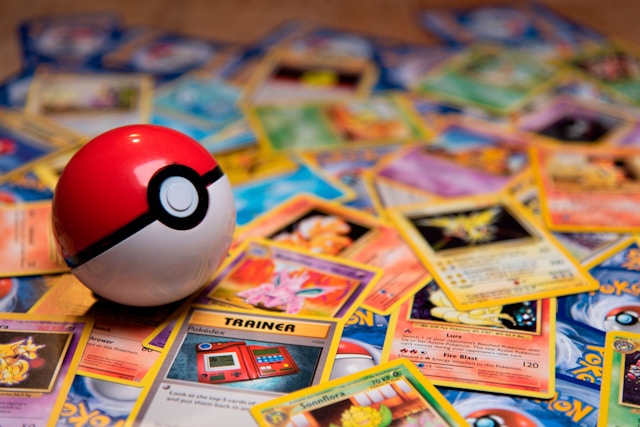

The Pokémon Trading Card Game (TCG) has evolved far beyond a simple collectible hobby, becoming a complex market influenced by trends, nostalgia, competitive play, and collector demand. Understanding how market trends affect card prices is essential for collectors, investors, and enthusiasts who want to make informed decisions. In 2026, the Pokémon card market continues to show strong growth, but prices can fluctuate dramatically based on a variety of factors.
1. Popularity of Expansions and Sets
Each new expansion released by The Pokémon Company has a direct impact on card prices. High-demand sets with sought-after Pokémon often drive price spikes for both individual cards and sealed booster boxes.
- Hype-Driven Demand: When a new expansion like Mega Evolution—Perfect Order is announced, collectors rush to pre-orders, boosting early prices for key cards.
- Full-Set Completes: Collectors who want to complete a set often pay premiums for missing cards, increasing demand and secondary market prices.
- Artwork and Special Editions: Cards with unique full-art, alternate-art, or Secret Rare designs often maintain high value long after the expansion’s release.
Market popularity of a set can cause some previously modestly priced cards to skyrocket if they contain rare chase cards.
2. Rarity and Scarcity
Scarcity remains one of the most powerful drivers of Pokémon card prices. Limited print runs, first-edition releases, and promotional cards with low circulation naturally command higher prices.
- First-Edition and Shadowless Cards: Base Set 1st Edition cards are incredibly rare, and scarcity has consistently pushed their value upward.
- Promotional Cards: Tournament-exclusive or event cards like No. 1 Trainer or Japanese Illustrator Pikachu see high collector demand due to their limited availability.
- Modern Low-Print Chase Cards: Secret Rares, Hyper Rares, and special illustration cards from modern sets are difficult to pull, increasing their secondary market value.
Scarcity combined with collector enthusiasm creates a multiplier effect on card prices.
3. Competitive Play and Meta Influence
Competitive play significantly affects card value. Cards that are staples in tournament decks often experience price spikes as players seek copies for competitive use.
- Meta-Relevant Cards: Cards that dominate decks in major tournaments increase in demand quickly.
- Rotation Changes: When older cards rotate out of standard play, prices may drop, but they can retain value in the collector market if they are rare or visually desirable.
- Regional Tournaments: Popularity of certain decks in specific regions can temporarily boost prices for relevant cards.
The link between competitive play and card value shows how functional demand intersects with collectible interest.
4. Grading Trends
Professional grading services, such as PSA, Beckett, and CGC, play a major role in determining card prices. Graded cards offer buyers assurance of condition and authenticity, which directly affects market demand.
- High Grades Command Premiums: PSA 10 or BGS 9.5–10 cards are valued exponentially higher than ungraded or lower-graded counterparts.
- Rising Popularity of Slabbed Cards: Collectors increasingly prefer slabbed cards for investment security, increasing the value of already-graded cards.
- Grading of Modern Cards: Even newer cards can see price jumps if graded immediately after release, particularly rare secret rares or full-art cards.
Grading trends demonstrate how the market values condition and verified authenticity, influencing both new and vintage card prices.
5. Nostalgia and Pop Culture Influence
Nostalgia is a persistent factor in Pokémon card prices. Many collectors who grew up with the Base Set now seek to recapture their childhood memories, often paying premiums for vintage or retro-style cards.
- Anniversary Sets: Milestone releases (20th, 25th, 30th anniversaries) see high collector interest and often drive prices for related cards and boxes.
- Media Exposure: Pokémon-themed games, anime, and special events renew interest in certain Pokémon, increasing secondary market demand for cards featuring those characters.
- Social Media Influence: Collector communities on platforms like Instagram, YouTube, and TikTok can create hype for specific cards, causing temporary or sustained price increases.
Cultural trends often intersect with supply scarcity to produce significant price movements.
6. Supply and Reprints
Card reprints or mass production can stabilize or decrease market prices, while limited availability increases scarcity-driven demand.
- Reprints Lower Individual Card Prices: When popular cards are reprinted, their rarity drops, affecting short-term market value.
- Limited-Run Products Increase Scarcity: Cards from rare sets or promos can see long-term appreciation as unopened booster boxes and packs become rarer.
- Collector Strategy: Savvy collectors often track reprint announcements to decide whether to buy now or wait for possible scarcity-driven appreciation.
Understanding supply dynamics helps predict which cards are likely to gain value and which may remain stable.
7. Economic Factors and Investment Behavior
The broader economic environment and trends in collectible markets also influence Pokémon card prices.
- Collectibles as Alternative Investments: Many investors view high-value Pokémon cards as a hedge or alternative investment, particularly when other markets are volatile.
- Speculation Impact: Hype-driven speculation can cause short-term price spikes, but careful research is required to avoid losses.
- Global Market Trends: Increased international demand, especially from emerging collector markets in Asia and Europe, contributes to rising prices for rare cards and sealed products.
The Pokémon TCG market is closely tied to collector sentiment, speculation, and global trends.
Conclusion
Pokémon card prices are heavily influenced by market trends that include expansion popularity, rarity, competitive relevance, grading, nostalgia, and supply dynamics. In 2026, understanding these factors is crucial for collectors and investors alike.
Cards that are rare, graded, and highly sought after due to competitive, cultural, or nostalgic reasons are most likely to maintain or increase in value. Conversely, cards that are mass-produced or lose competitive relevance may experience stagnant or declining prices.
By keeping a close eye on market trends, collector communities, and historical patterns, both new and experienced Pokémon card enthusiasts can make informed decisions to protect and grow the value of their collections.