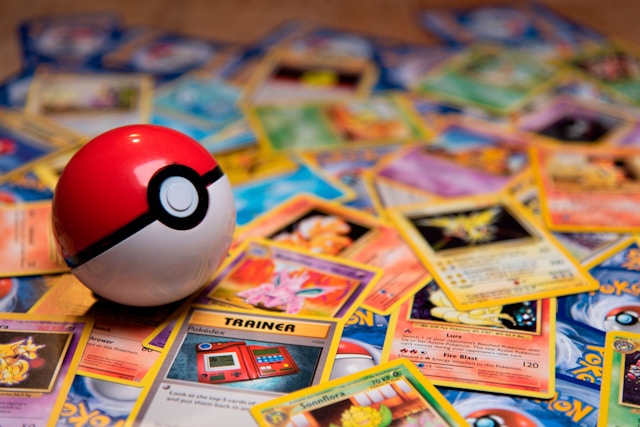

Starting a Pokémon card collection is exciting, but many beginners make mistakes that can affect the long-term value, organization, and enjoyment of their collection. Avoiding these pitfalls helps collectors protect their cards, build a meaningful collection, and make smart purchasing decisions.
1. Focusing Only on Popular Cards
Many new collectors chase the “hottest” cards like Charizard, Pikachu, or Mega Zygarde ex, often ignoring other valuable cards in the set.
- Mistake: Overpaying for a single card while neglecting the rest of a set.
- Better Approach: Focus on building a balanced collection, including holographic rares, Trainer cards, and less-popular Pokémon, which can increase in value over time.
Chasing only popular cards can lead to frustration and an incomplete collection.
2. Neglecting Card Protection
New collectors sometimes handle cards carelessly or fail to invest in proper storage, which quickly diminishes their condition and value.
- Mistake: Storing cards loose in drawers or pockets, exposing them to bending, moisture, or dirt.
- Better Approach: Use protective sleeves, toploaders, and binders. High-value cards should be double-sleeved and stored in rigid holders to prevent damage.
Preserving card condition is essential, especially for rare or graded cards.
3. Ignoring Card Condition
Condition plays a major role in card value. Even minor scratches, bends, or corner wear can dramatically reduce a card’s market price.
- Mistake: Buying cards without inspecting for scratches, whitening, or edge damage.
- Better Approach: Check cards carefully before purchase. For new collectors, learn grading basics to identify mint, near-mint, or lightly played cards.
High-quality cards retain both aesthetic and resale value.
4. Overpaying for Unnecessary Cards
Beginners often buy cards impulsively or pay premiums for cards that aren’t rare or collectible.
- Mistake: Spending on every booster pack hoping for a rare pull, without understanding rarity or market value.
- Better Approach: Research card sets, understand rarities (Common, Uncommon, Rare, Ultra Rare, Secret Rare), and compare prices before purchasing.
Smart buying ensures you build a valuable and balanced collection without overspending.
5. Not Organizing Cards Properly
A disorganized collection can be frustrating and lead to lost or damaged cards.
- Mistake: Storing all cards together without categories or protective pages.
- Better Approach: Sort cards by set, rarity, type, or card number. Use binders, labeled pages, and storage boxes to maintain order.
Organization makes it easier to track your collection, trade, or complete sets.
6. Focusing Only on New Expansions
While new expansions like Mega Evolution—Perfect Order are exciting, ignoring older or vintage sets can limit collection value.
- Mistake: Collecting only the latest cards and ignoring historically significant or rare vintage cards.
- Better Approach: Include a mix of modern and vintage cards in your collection to maintain historical depth and potential investment value.
Vintage cards often carry nostalgia and rarity, enhancing the overall appeal of a collection.
7. Not Understanding the Secondary Market
Many beginners buy from unreliable sources or do not check market prices, leading to overpayment or counterfeit cards.
- Mistake: Purchasing cards from unverified sellers or websites without confirming authenticity.
- Better Approach: Buy from reputable stores or verified online marketplaces, and familiarize yourself with current market trends and pricing.
Knowing the market protects both your investment and your collection’s integrity.
8. Ignoring Professional Grading
Some collectors undervalue the importance of grading for rare cards. A card’s grade can drastically impact its value and resale potential.
- Mistake: Keeping high-value cards ungraded, risking damage or undervaluation.
- Better Approach: For expensive or rare cards, consider PSA, Beckett, or CGC grading. Professionally graded cards are more secure and easier to sell if desired.
Grading also provides assurance of authenticity and condition.
9. Trading Without Knowledge
Beginners often trade impulsively, giving away valuable cards for lesser ones or duplicates.
- Mistake: Trading high-value cards without knowing their worth or the other card’s rarity.
- Better Approach: Learn card values, rarity, and market demand before trading. Always make fair trades to protect the value of your collection.
Knowledgeable trading helps grow a collection while minimizing loss.
10. Failing to Enjoy the Hobby
Finally, some new collectors get too caught up in value and rarity, forgetting the joy of collecting.
- Mistake: Viewing Pokémon cards purely as an investment rather than as a hobby.
- Better Approach: Focus on the enjoyment of opening packs, building decks, and displaying your collection. Balancing passion with strategy makes collecting rewarding.
Avoiding these common mistakes allows new collectors to build a well-rounded, protected, and enjoyable Pokémon card collection. By learning about card types, condition, organization, and market trends, beginners can ensure their collection grows in both value and personal satisfaction.